Sustainable Plush Toys: rPET, Organic Cotton & Certifications
Jesse Long
Head of Production, DreamPlush
June 10, 2026 · 9 min read
Quick answer—Eco plush costs more — recycled rPET fabric adds around 40% and certified organic blends 15–20%. GRS proves recycled content, GOTS proves organic cotton, and OEKO-TEX proves no harmful substances. Always ask for the certificate tied to your order, not a generic 'eco' claim.
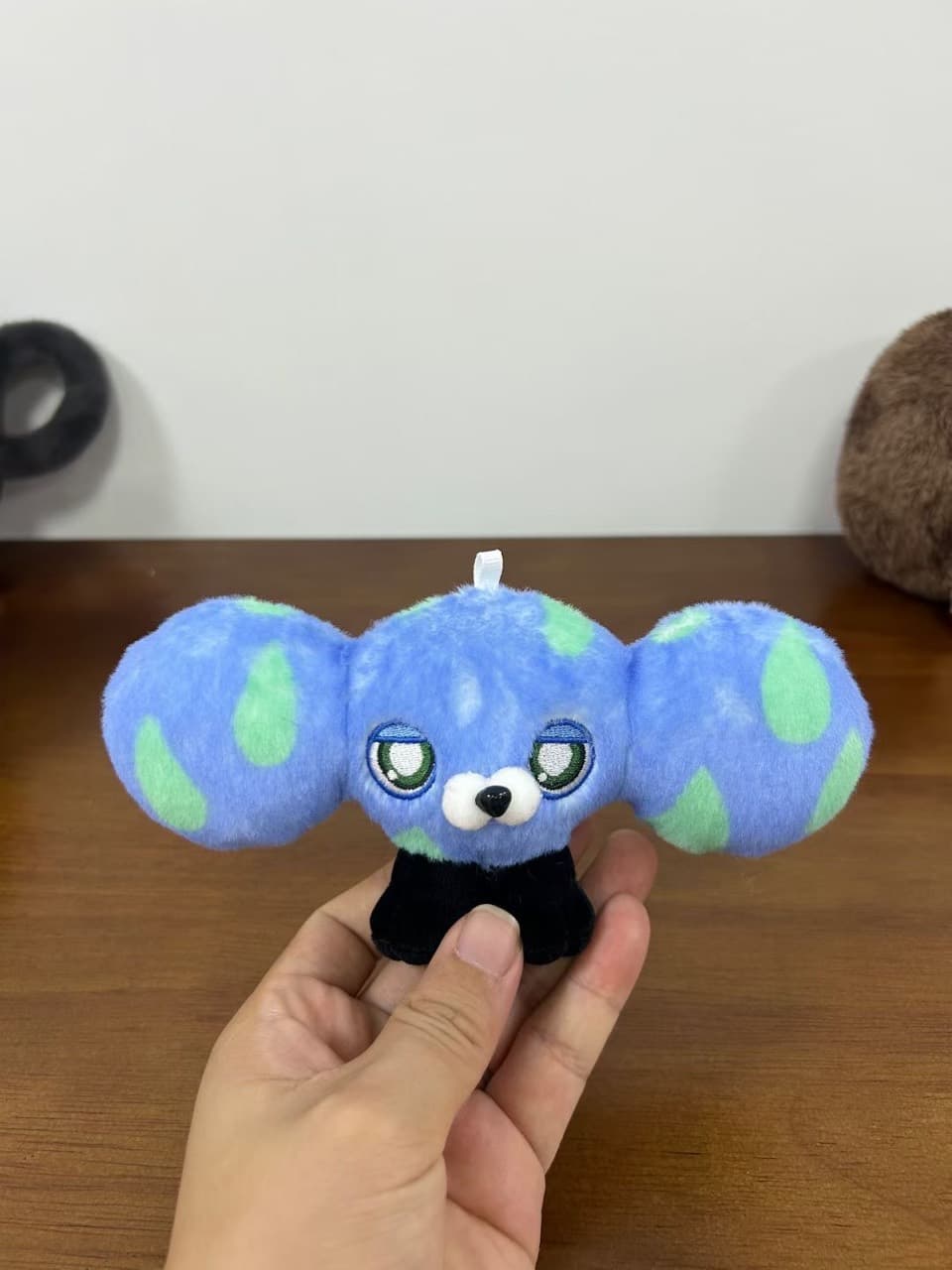
“Eco-friendly” is the most over-used and least-proven word in the plush industry. Almost every supplier claims it; very few can show you a certificate. If sustainability matters to your buyers, you need to know which materials are genuinely greener, what they really cost, and how to tell a real eco-claim from a marketing sticker. This guide is the no-greenwashing version.
The sustainable materials menu
There is no single “eco material” — there is a menu, each with trade-offs in feel, cost and credibility:
- Recycled rPET — fabric and fiberfill made from recycled PET bottles. The workhorse of sustainable plush: same feel as virgin polyester, lower footprint, fully certifiable.
- Organic cotton — natural and breathable, grown without synthetic pesticides; premium feel, but can shrink and mat, and costs more.
- Bamboo viscose — exceptionally soft and naturally antibacterial; needs careful processing to qualify as genuinely sustainable.
- Plant-based / corn fill — emerging natural fills for brands that want a fully natural story.
- Low-impact & recycled packaging — often the easiest, cheapest sustainability win: recycled hang tags, FSC paper, no plastic polybag.
The real cost of going green
Sustainability is not free, and pretending otherwise sets up a nasty quote surprise. The honest numbers:
- rPET fabric: ~40% above virgin polyester at the material level, partly because recycled supply is still constrained.
- Finished toy: ~15–20% more for a fully certified organic-cotton or recycled-blend plush, because materials are only one part of the unit cost.
GRS vs GOTS vs OEKO-TEX: what each actually proves
This is where most brands get lost — and where suppliers get vague. Each certificate answers a different question, so they are not interchangeable:
| Certification | What it proves | Use it for |
|---|---|---|
| GRS (Global Recycled Standard) | Recycled content % + chain of custody | Recycled rPET fabric & fill |
| RCS (Recycled Claim Standard) | Recycled content (lighter than GRS) | Recycled-content claims |
| GOTS (Global Organic Textile Standard) | Organic fiber content + processing | Organic cotton plush |
| OEKO-TEX Standard 100 | Tested free of harmful substances | Chemical safety (any material) |
A toy can — and often should — carry more than one. A recycled toy that is also tested safe might hold both GRS and OEKO-TEX Standard 100; an organic-cotton toy would lean on GOTS instead of GRS.
Verifying a claim — how to spot greenwashing
A logo on a deck is not proof. Here is how to separate a real eco-program from a painted-on one:
- Ask for the Transaction Certificate (TC), not just the Scope Certificate (SC). The SC only shows the factory is registered to a standard; the TC ties a specific recycled/organic content to your shipment.
- Check it’s current and lot-specific. Certificates expire, and they apply to specific materials — last year’s certificate for a different fabric proves nothing.
- Match the claim to the right standard. “Organic” backed by GRS (a recycled standard) is a red flag the supplier doesn’t understand their own claim.
- Beware unqualified words. “Eco,” “green” and “natural” with no certificate number behind them are marketing, not evidence.
The same logic applies to safety paperwork — knowing the difference between an in-house claim and an accredited report is the core skill of a good importer, which we cover in the safety standards guide.
Your eco-RFQ checklist
When you ask a factory for a sustainable quote, send this so you get a real answer rather than a vague one:
Choosing the actual fabrics and fills behind these claims? Pair this with our plush fabrics & fills guide. When you’re ready, we produce GRS- and OEKO-TEX-backed plush and will share the certificates for your records — tell us your sustainability goals for a quote.
Frequently asked questions
Are recycled (rPET) plush toys as good as regular ones?+
Yes. rPET fabric and fiberfill — made from recycled PET bottles — perform almost identically to virgin polyester in softness, durability and colorfastness. The main differences are a higher cost and the need for certification to prove the recycled content is genuine.
How much more do sustainable plush toys cost?+
rPET fabric typically runs around 40% above virgin polyester at the material level, but because materials are only part of a unit's cost, a fully certified organic-cotton or recycled-blend toy usually lands about 15–20% more expensive overall. Most brands recoup this through premium positioning.
What is the difference between GRS, GOTS and OEKO-TEX?+
GRS (Global Recycled Standard) verifies recycled content and its chain of custody. GOTS (Global Organic Textile Standard) certifies organic fibers like cotton. OEKO-TEX Standard 100 tests the finished product for harmful substances. They answer different questions — recycled, organic, and chemically safe — so a truly green toy may carry more than one.
How do I know a factory's eco claim is real?+
Ask for the certificate itself — specifically a current Transaction Certificate (TC) tied to your order, not just a generic Scope Certificate (SC) showing the factory is registered. The TC proves the actual recycled or organic content in the goods you bought. Vague 'eco-friendly' claims with no certificate number are a greenwashing red flag.