Plush Toy Fabrics & Fills: The Complete Materials Guide
Jesse Long
Head of Production, DreamPlush
June 15, 2026 · 11 min read
Quick answer—Plush fabric is chosen by pile height, weight (GSM) and backing — short-pile minky for detail, long pile for fluffy, sherpa or boucle for texture. Fills are PP-cotton (standard), rPET (eco), plastic pellets (weight) or foam (structure). Write a spec your factory can actually quote.
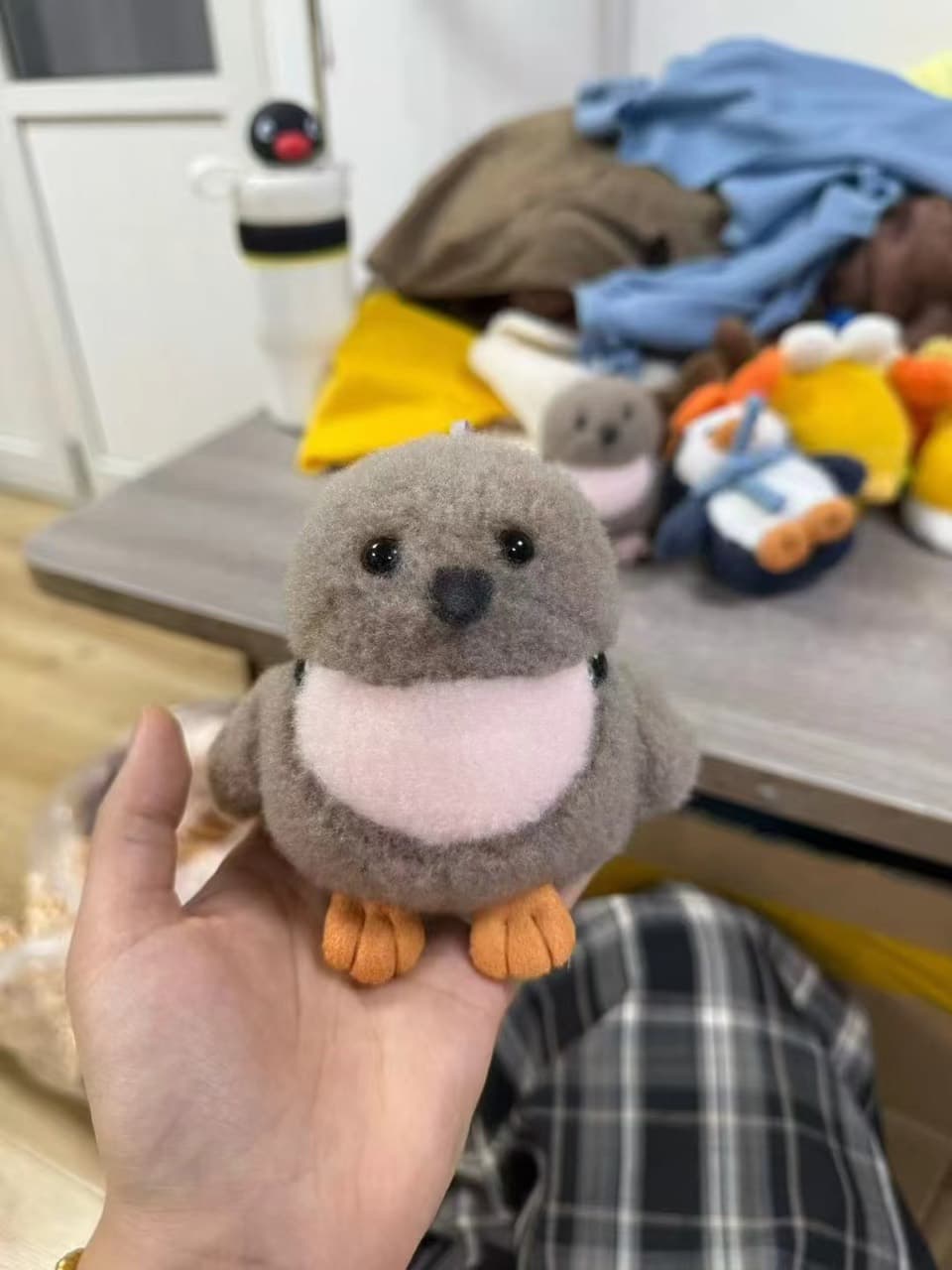
The difference between a plush that feels premium and one that feels cheap is decided long before it’s sewn — in the choice of fabric and fill. Yet most guides stop at “we use soft material.” This is the complete materials guide: every common plush fabric compared by the specs that matter, the fill options almost nobody writes about, and how to turn it all into a spec your factory can quote against.
The plush fabric cheat-sheet
“Plush” is a family of fabrics, not one material. They differ mostly in pile height (how long the fibers are) and GSM (weight and density). Here is the whole family on one page:
| Fabric | Pile | GSM | Feel / properties | Best for |
|---|---|---|---|---|
| Minky / velboa | 2–3.5 mm | 220–300 | Tight, low-shed, crisp embroidery | Baby toys, faces, detail |
| Microfleece | 1–2 mm | 180–250 | Fine, dense, light | Budget plush, apparel-style |
| Coral fleece | 2–4 mm | 250–320 | Lofty 'peach-fuzz' | Cozy plush, blankets |
| Sherpa / bouclé | 3–6 mm loops | 300–450 | Curly, wool-like loops | Lambs, winter trims |
| Short faux fur | 4–8 mm | 280–380 | Premium, dramatic texture | Teddies, premium lines |
| Long faux fur | 20–60 mm | 350–500 | Lifelike, mascot-grade | Collector plush, mascots |
| Chenille / terry | 1–3 mm loops | 240–340 | Tufted, tactile | Sensory / textured accents |
Backing & fiber — the part you can’t see
Two hidden properties decide how a plush holds its shape and color:
- Backing. A warp-knit backing is dimensionally stable, so the toy keeps its shape and embroidery stays aligned; weft-knit stretches more; woven backings are used when the fabric will be printed.
- Fiber. Polyester (PET) dominates for durability and colorfastness. Recycled rPET matches it but needs certification. Cotton is breathable but can shrink and mat; bamboo viscose is buttery-soft but fuzzes without anti-pill treatment; nylon can yellow under UV.
The fill guide nobody writes
Fabric gets all the attention, but fill is half the feel. Under-stuffing is one of the most common reasons a sample fails QC. Here are the options and when to use each:
| Fill | Feel / property | Best for |
|---|---|---|
| PP cotton (siliconized fiberfill) | Soft, lofty, resilient | The default for most plush |
| rPET fiberfill (recycled) | Same feel, eco-credential | Sustainable lines (GRS-certifiable) |
| PE pellets / glass beads | Weight + 'bean-bag' squish | Weighted bases, Squishmallow-style |
| PU / memory foam | Structured, holds shape | Architectural shapes, pillows |
| Cotton / natural fill | Premium, natural | Organic / premium positioning |
Match the fabric to the product
There is no single “best” plush fabric — only the right one for the job:
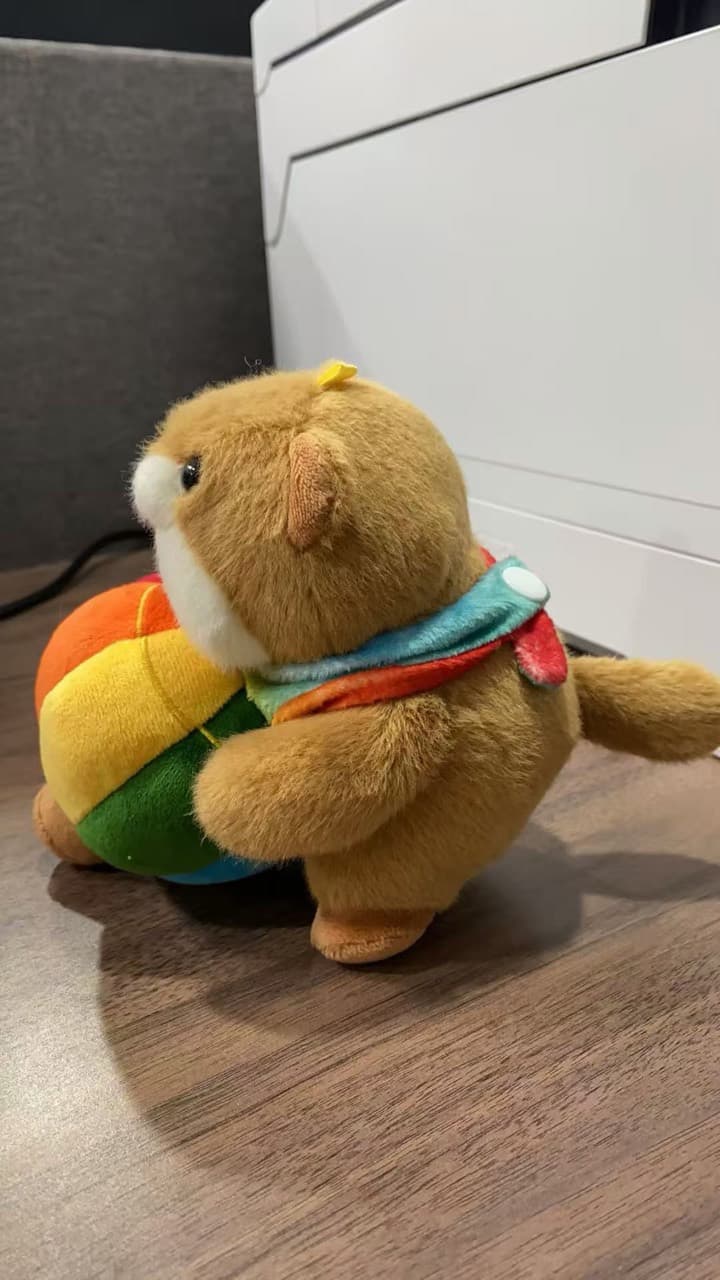
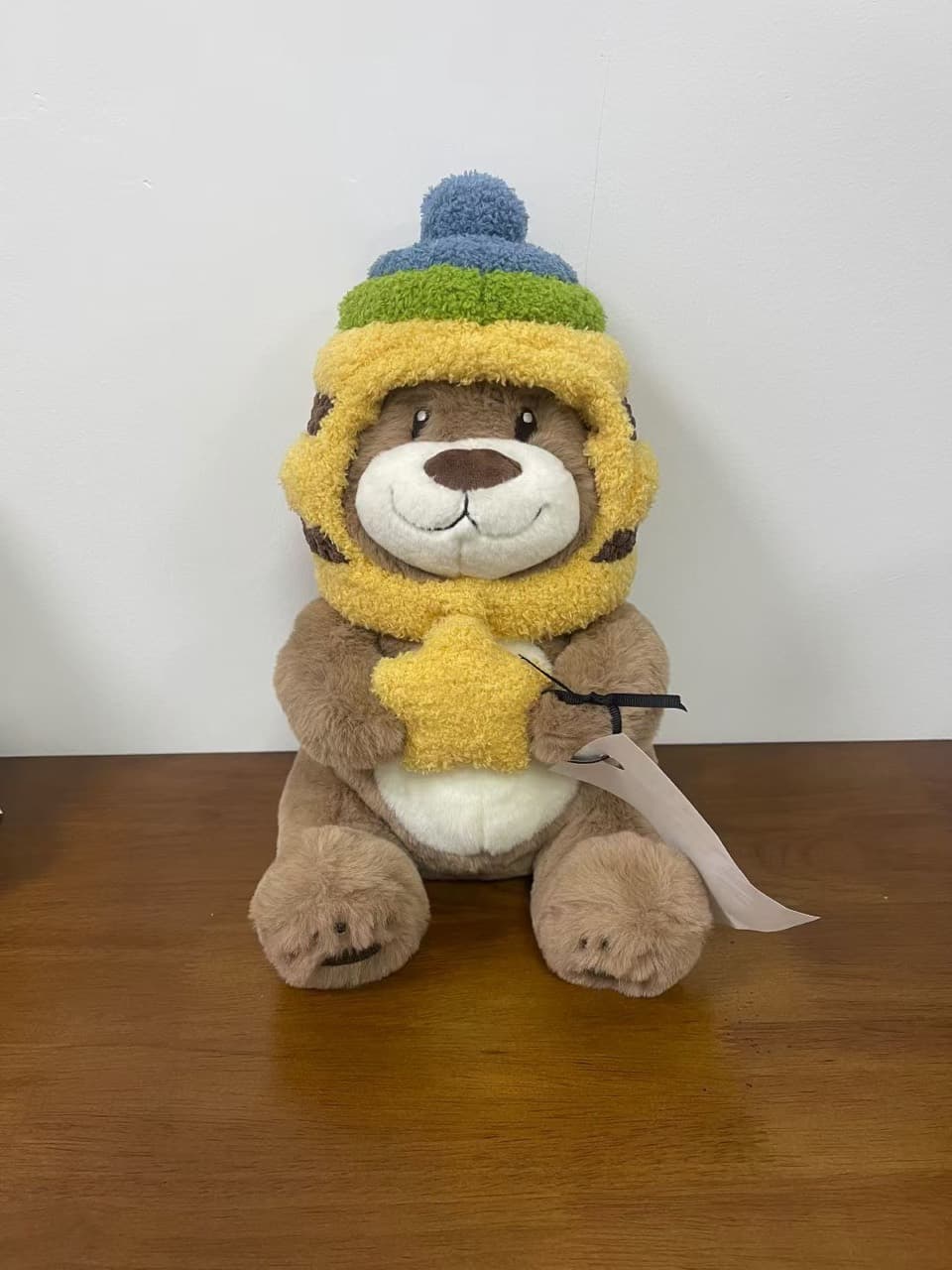
- Baby & under-3: short, low-shed minky; embroidered features; soft but secure fill.
- Collector / kidult plush: premium faux fur or high-GSM minky; weighted base for a satisfying heft.
- Brand mascots: short plush for crisp logos; long pile only where you don’t need fine detail.
- Keychains & minis: low-pile, lower-GSM fabric keeps small shapes readable.
Cost & manufacturability
Materials are a real lever on your unit price. As a rule: higher GSM and longer pile cost more — more fiber per piece, more weight to ship, and (for long pile) more waste when cutting. Custom-dyed colors add a dye-vat minimum, while in-stock fabric colors avoid it. We break the economics down in our MOQ & pricing guide.
Writing a materials spec for your RFQ
Want fast, accurate quotes? Give every factory the same materials spec. Copy this template and fill in the blanks:
Hand a factory that, and you’ll get comparable quotes instead of guesses. Not sure what to choose? Send us your design and target feel and we’ll recommend the fabric, GSM and fill — and make a sample so you can hold it before you commit. Start with how our custom plush service works.
Frequently asked questions
What is the most common fabric for plush toys?+
Short plush (velboa) and minky are the most common. They are tightly knit polyester fabrics with a low, dense pile (around 2–3.5 mm) and 220–300 GSM — soft, low-shedding, and ideal for crisp embroidery and detailed faces. Long-pile faux fur is used for premium teddies and collector pieces.
What does GSM mean for plush fabric?+
GSM (grams per square metre) measures fabric weight and density. Roughly: 180–220 GSM is light, 220–320 GSM is standard, and 320+ GSM is heavy/premium. Higher GSM feels denser and more luxurious but adds cost and shipping weight.
What is plush stuffing made of?+
Most plush is filled with siliconized PP cotton (polyester fiberfill), prized for its loft and resilience. Recycled rPET fiberfill is the eco alternative; PE plastic pellets or glass beads add weight and a 'bean-bag' squish; and PU foam is used for structured shapes. Many toys combine fiberfill with pellets.
Should I use recycled (rPET) materials?+
rPET fabric and fill perform almost identically to virgin polyester and let you make a credible sustainability claim, but they cost more and require certification (GRS) to be verifiable. If eco-credentials matter to your buyers, it is usually worth it — see our sustainable plush guide.