The Custom Plush Toy Market in 2026: Size, Growth & Outlook
Jesse Long
Head of Production, DreamPlush
June 20, 2026 · 12 min read
Quick answer—The global plush toy market is worth roughly US$12–16 billion and growing about 7–9% a year, driven by the 'kidult' boom behind Labubu and Squishmallows. Collectible, blind-box and bag-charm plush are the fastest-growing segments heading into 2026.
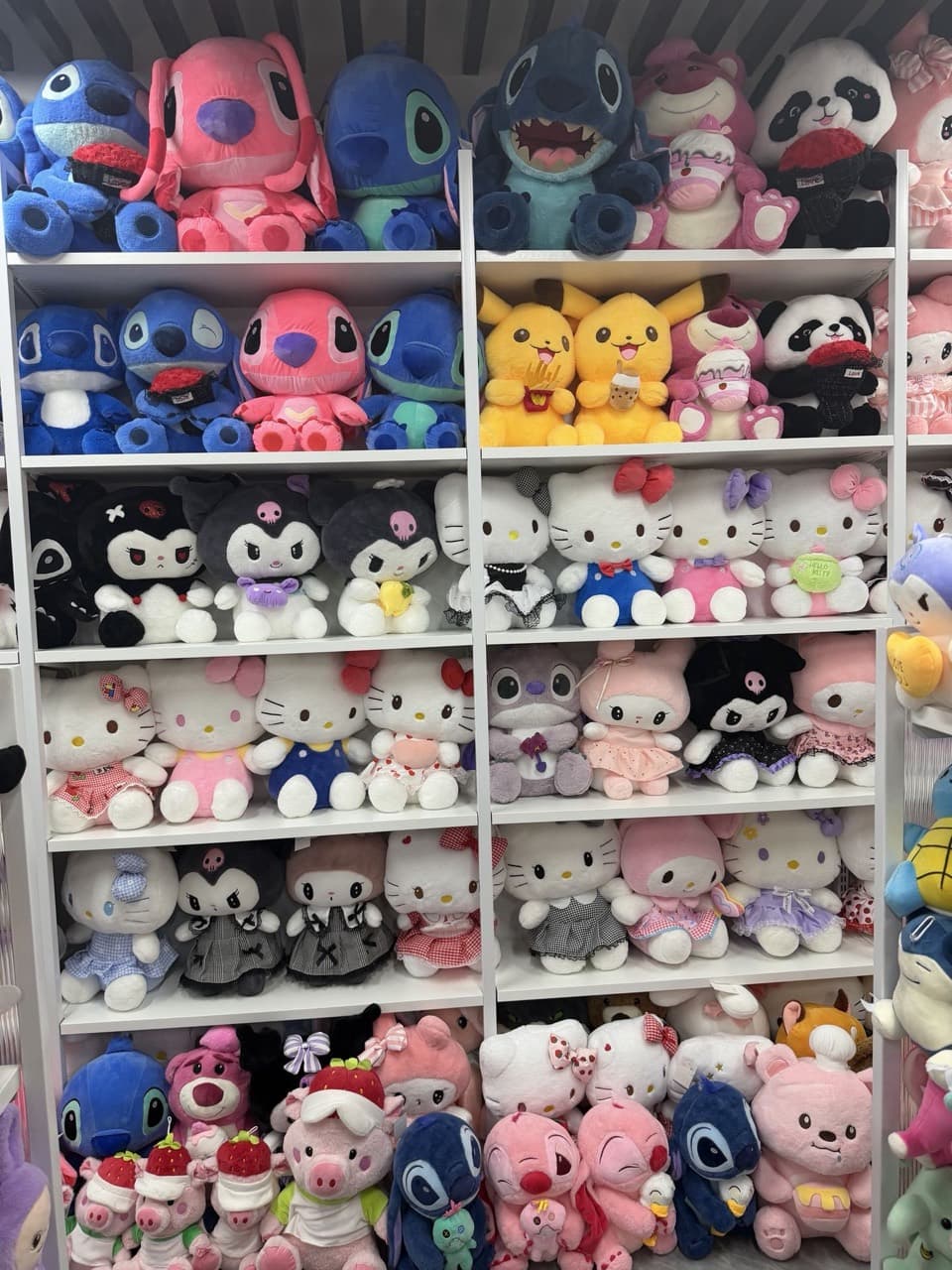
Ask ten market-research firms how big the plush toy market is and you will get ten different numbers. That is not a reason to ignore the data — it is a reason to read it carefully. This report cuts through the noise: what the plush market is actually worth in 2026, where it is growing, the collectible phenomenon rewriting the demand curve, and — the part most reports skip — what all of it means if you are sourcing custom plush.
Executive summary
The global plush toy market sits in the low-to-mid tens of billions of dollars and is growing faster than its “mature toy” reputation suggests, driven almost entirely by adults buying collectibles. Four numbers frame the whole picture:
Market size — and why the firms disagree
There is no single “correct” figure for the plush market, because each firm draws the boundary in a different place. Narrow soft-toy definitions exclude collectible figures and land around USD 12 billion; broader definitions that include blind-box and designer collectibles push past USD 15 billion. Rather than cherry-pick one number, here is the honest spread:
| Source | Current size | Forecast | CAGR |
|---|---|---|---|
| Global Market Insights | $15.1B (2024) | $21B by 2034 | ~3.4% |
| Future Market Insights | $12.1B (2026) | $24.6B by 2036 | ~7.3% |
| Broader collectible-inclusive est. | $15.0B (2026) | $28.5B by 2034 | ~8.3% |
The useful conclusion is not a single point estimate but a direction and a range: a roughly USD 12–16 billion market in 2025–26, compounding at 3–8% a year. When a competitor quotes you one precise-sounding figure, they have simply picked the definition that suits their story.
The kidult supercycle
The single most important shift in plush this decade is who is buying it. Adults — “kidults” — now account for roughly 28% of all toy spending, up from 25.5% in 2022, making them the largest single spending group in the toy industry. Plush sits at the centre of that wave.
Adults’ share of global toy spending. The “newstalgia” and self-gifting trends have moved plush from the nursery to the collector’s shelf.
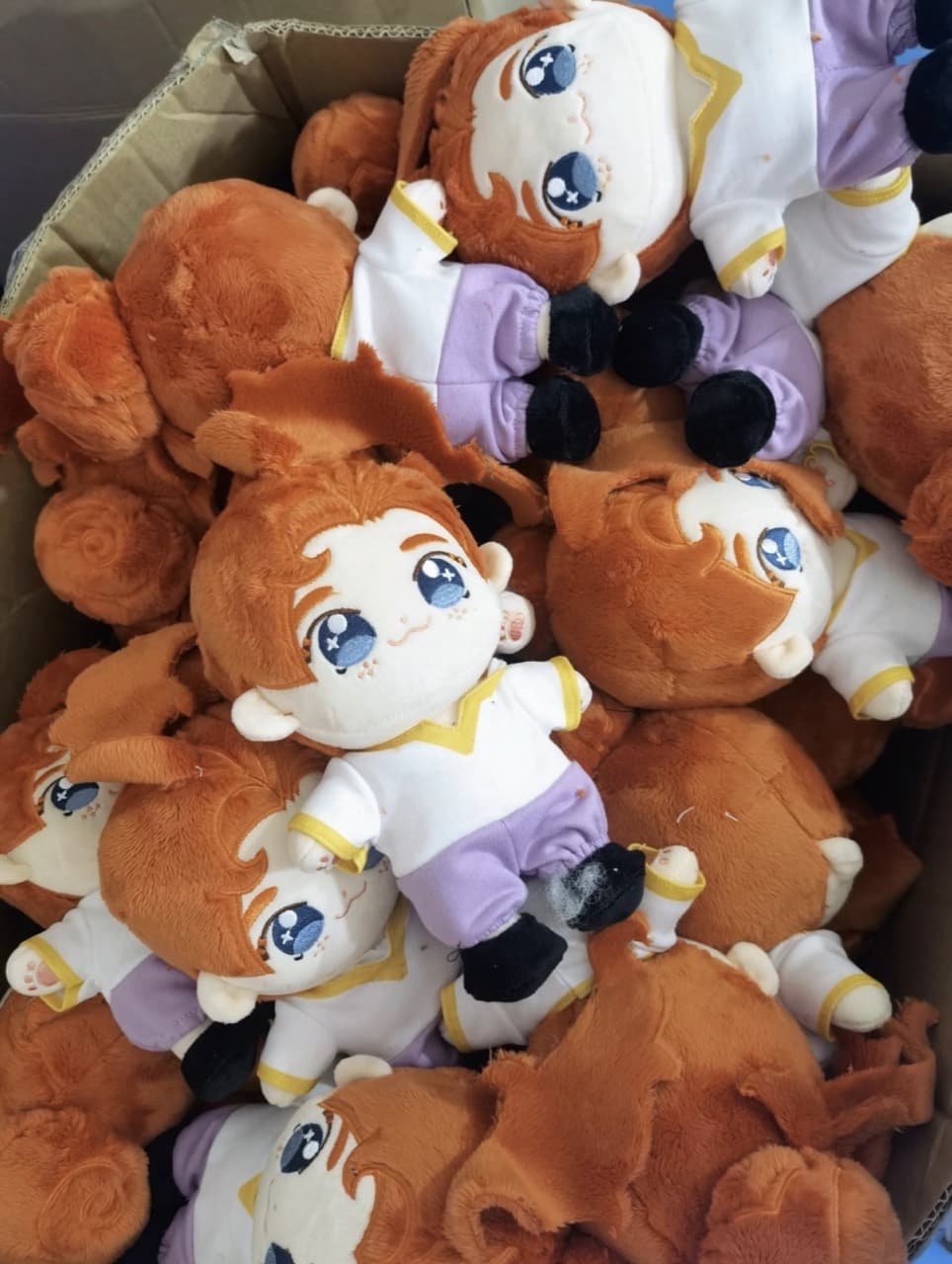
Three products explain the phenomenon better than any chart. Each took a different route to the same place — adults emotionally invested in plush:
| Product | Scale | What drives it |
|---|---|---|
| Labubu (Pop Mart) | ~$670M in H1 2025 — ~35% of Pop Mart revenue | Blind-box scarcity & the collector hunt |
| Squishmallows (Jazwares) | 485M+ units sold; 125+ licensees | Squishy comfort + collect-them-all variety |
| Jellycat | Premium gifting staple | Aesthetic 'curated cute' positioning |
The common thread is scarcity and identity, not age. Blind-box mechanics, “chase” editions and unboxing culture turn a soft toy into a collectible with social currency — a dynamic we explore in our guide to cotton and idol dolls.
Where the growth actually is
Not all plush is growing equally. The traditional kids’ segment is large but mature; the momentum is in collectibles and, by product type, interactive plush. Channel matters too: bricks-and-mortar still dominates, but online is growing fastest.
| Segment | Relative size | Growth |
|---|---|---|
| Licensed-character plush | Largest segment (~$7.3B, 2024) | Steady (~3%) |
| Baby & kids (0–12) | ~61% of the market (2024) | Mature, steady |
| Collectible / kidult | Fastest-growing demand | High (blind box ~9–10%) |
| Interactive / smart plush | Smallest but emerging | Fastest by product type |
Offline retail held roughly 83% of plush sales in 2025, but online is the faster-growing channel — a reason direct-to-consumer launches keep working for new plush brands.
Geographically, North America is the deepest single market (the US alone is around 85% of North American demand), Europe is the largest region in aggregate, and Asia Pacific is the fastest-growing, led by China and India — which is also where the bulk of custom plush is manufactured.
What is driving demand
Five forces are doing most of the work behind the numbers above:
- Kidult & “newstalgia.” Adults buying comfort objects and childhood-nostalgia plush for themselves.
- Blind-box scarcity. Randomised and “chase” editions that reward repeat buying and collecting.
- Fandom & IP collabs. K-pop, anime, gaming and entertainment licences turning audiences into plush buyers.
- Social unboxing. TikTok and Instagram turning a plush reveal into free, viral marketing.
- Gifting & emotional value. Plush as an affordable, high-sentiment gift across all ages.
What it means for your brand in 2026
Market data is only useful if it changes a decision. Here is how this report translates into a sourcing strategy:
Practically, that means designing for the collector (variants, premium finishes, giftable packaging), planning a series rather than one product, and choosing a manufacturer comfortable with both small collectible runs and scale. If you are costing a launch, our MOQ & pricing guide and brand-launch playbook turn this strategy into numbers.
Sources: Grand View Research, Global Market Insights, Euromonitor. Figures are approximate and for orientation, not investment advice.
Frequently asked questions
How big is the global plush toy market in 2026?+
Estimates range from roughly USD 12 billion to USD 16 billion depending on scope, with most firms projecting growth of 3–8% CAGR through the early 2030s. The spread comes from how each firm defines 'plush' — narrow soft-toy definitions land lower, while definitions that fold in collectibles and blind-box figures land higher.
What is the fastest-growing part of the plush market?+
The collectible and 'kidult' segment — adult-bought plush, blind-box figures and designer collectibles like Labubu and Squishmallows. The blind-box toy category alone is growing at roughly 9–10% CAGR, far ahead of the traditional kids' plush market, and adults now account for about 28% of all toy spending.
Which regions are driving plush toy demand?+
North America is the deepest single market (the US makes up about 85% of North American demand), Europe is the largest region overall, and Asia Pacific is the fastest-growing, led by China and India. Most custom plush manufacturing is concentrated in China.
What does this market data mean for a brand launching plush in 2026?+
Growth is concentrated in collectibles, gifting and adult-oriented designs rather than basic kids' plush. The practical takeaway is to match a custom plush program to those fast-growing segments — designer collectibles, IP collabs, kidult-nostalgia and giftable lines — rather than competing in commoditised baby plush.