How to Start a Custom Plush Toy Brand: A Private-Label Guide
Jesse Long
Head of Production, DreamPlush
April 20, 2026 · 10 min read
Quick answer—To start a plush brand: lock a character and spec, find a factory with a low (100–500) MOQ, approve a paid sample, then fund a first run yourself or via pre-orders/crowdfunding. Sort out retail-ready packaging and EN71 / ASTM safety testing before you sell.
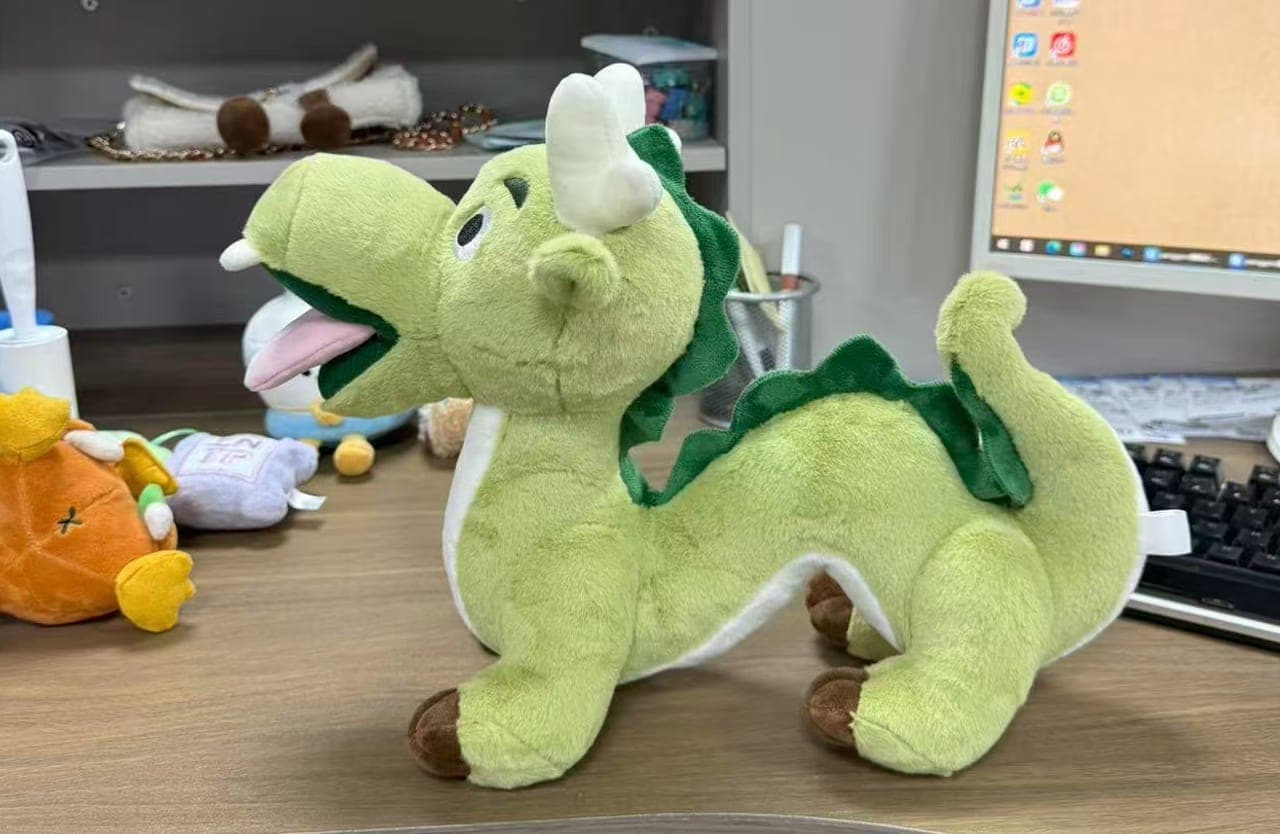
A plush toy is one of the easiest physical products to turn into a brand — and one of the most misunderstood. Most “how to start a toy brand” advice is written for plastic toys, full of steel molds, tooling deposits and electronics. Plush plays by completely different rules. Here’s the plush-specific playbook: the real economics, a budget you can actually plan around, and the path from idea to your first few hundred units.
Why plush is the easiest product to brand
The single biggest advantage of plush is that there is no expensive tooling. A plastic toy needs a steel injection mold that can cost thousands before you make a single unit. A plush toy needs only a sewing pattern — so your money goes into actual product and branding, not a mold sitting in a factory.
| Plastic toy | Plush toy | |
|---|---|---|
| Up-front tooling | Steel mold $3,000–$10,000+ | None — pattern only |
| Typical MOQ | 1,000–3,000+ | 300–1,000 |
| Sample cost | $200–$800 | $100–$300 |
| Cost driver | Tooling & resin | Fabric, fill & labor |
| Design changes | Expensive (re-tool) | Cheap (re-pattern) |
| Safety risk | Small parts, batteries | Soft, fewer hazards |
A realistic plush budget
Forget the $50,000 figures you see for plastic lines. A focused plush launch is far leaner. Here’s where the money actually goes for a first product:
| Digital proof & quote | Free |
| Custom sample (refundable) | $100 – $300 |
| Safety testing (US + EU) | $500 – $1,500 / design |
| First run (≈500 × 20 cm) | $1,500 – $4,000 |
| Branding (tags, polybag, box) | $0.10 – $1.50 / unit |
| Sea freight (per CBM) | varies — vacuum-pack to cut it |
| Suggested retail markup | 3–5× landed cost |
From idea to your first 300 units
Keep the first launch ruthlessly simple — one character, one size. Here is the whole path:
Curious how the manufacturing itself works? See our guide to how custom plush toys are made and the MOQ & pricing breakdown.
Branding & go-to-market
The plush is half the product; the brand is the other half. Small details signal quality and lift perceived value:
- Hang tags & woven labels — a printed hang tag and a sewn-in woven label make a toy feel like a brand, not a generic.
- Packaging — a polybag with an insert card, or a window gift box for premium lines.
- Story — give the character a name and a backstory; it’s what fans actually buy into.
- Launch channel — start direct-to-consumer (Shopify, Etsy) or a Kickstarter pre-order to fund the run, then expand to wholesale once demand is proven.
How to vet a plush factory
Your factory choice makes or breaks the launch. A few non-negotiables:
- Sample first. Never order bulk off a digital proof alone — approve a physical golden sample.
- Protect your design. Use an NNN agreement (non-disclosure, non-use, non-circumvention) with overseas suppliers and file your trademark early.
- Milestone payments. Sample fee, then a deposit, then the balance only against a clean inspection report or Bill of Lading.
- Compliance. Confirm the factory builds to EN71 / ASTM F963 and can arrange accredited testing — but remember the importer owns the certificate (see our safety standards guide).
Frequently asked questions
How much does it cost to start a plush toy brand?+
A first plush run is commonly $3,000–$15,000 all-in for a small launch (sample, ~300–1,000 units, branding and freight). Unlike plastic toys, plush needs no expensive steel molds, so your money goes into units and branding rather than tooling.
What's the minimum order to start?+
Reputable plush factories typically start at 300–1,000 pieces per design; pilot runs of a few hundred are often negotiable. Plush MOQs are far lower than injection-molded plastic toys because there's no mold to amortise.
How long does it take to go from idea to retail?+
Plan for roughly 4–6 months end to end. The plush itself samples in about 15 days and bulk-produces in around 25 days; the rest is design, safety testing, branding and logistics.
Do I need to own the character or can I license one?+
Both work. An original character (OC) is fully yours; licensing an existing IP can drive faster sales but adds royalties and approvals. Either way, file your trademark early and use an NNN agreement with overseas suppliers.