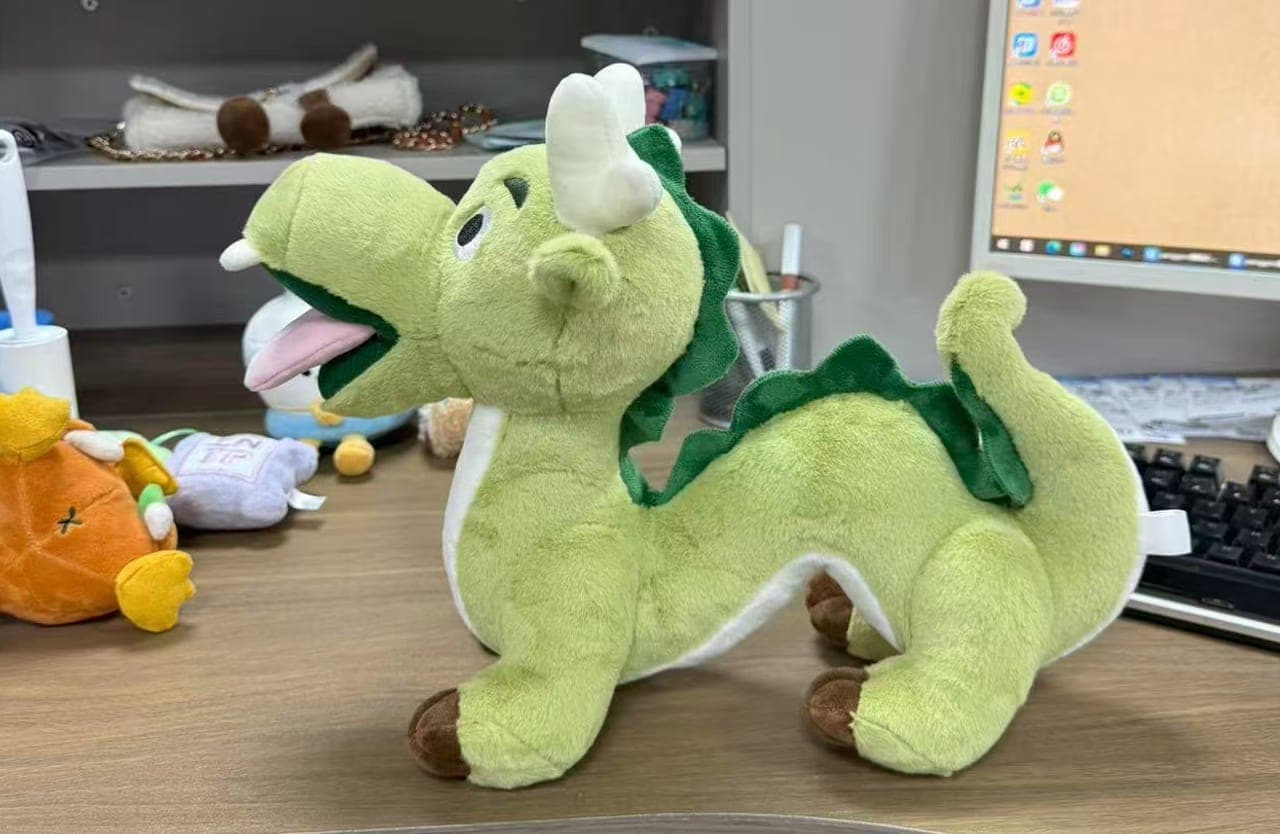
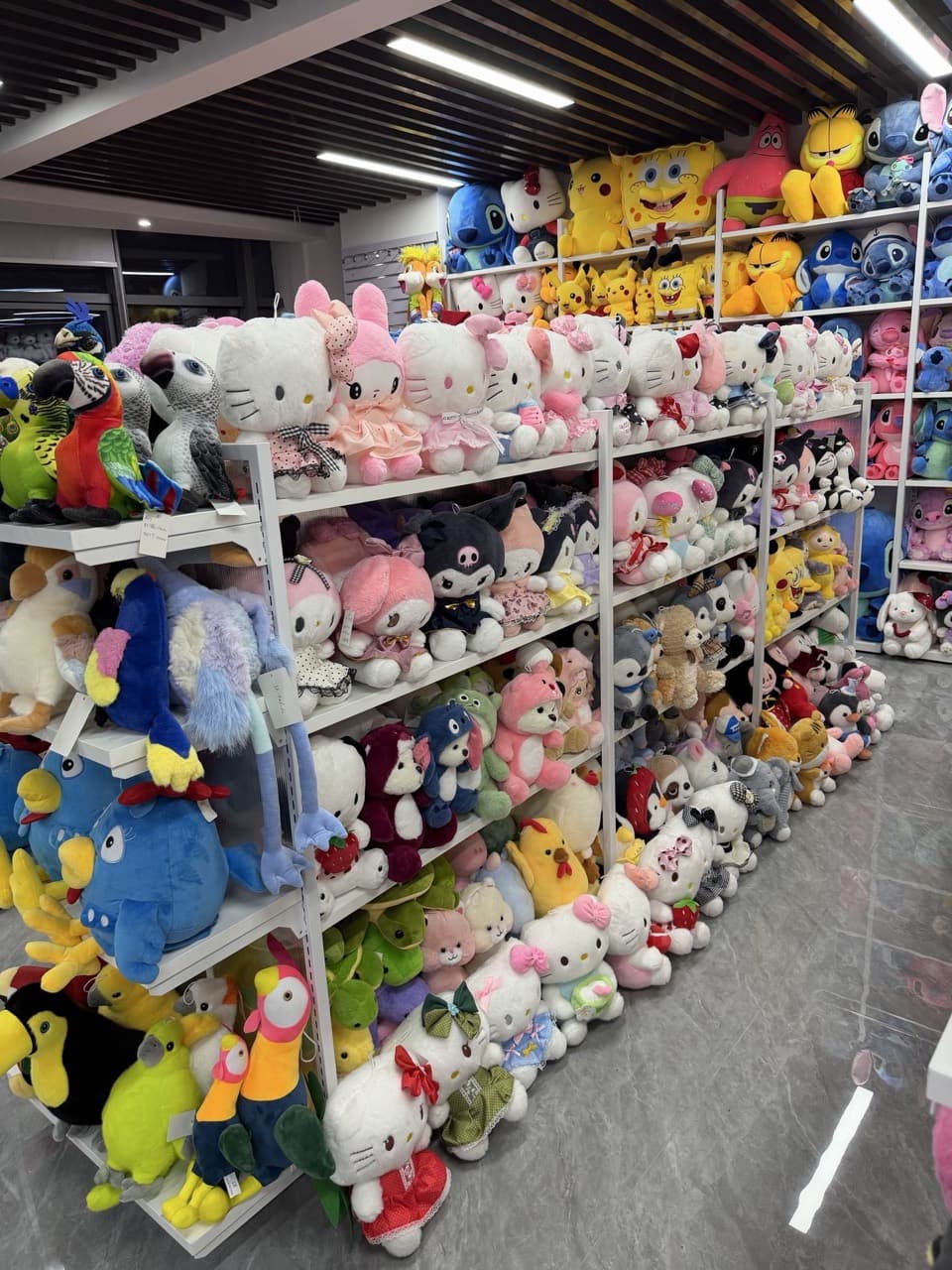
How Custom Plush Toys Are Made: A Factory's Complete 2026 Guide
Jesse Long
Head of Production, DreamPlush
June 1, 2026 · 11 min read
Quick answer—Custom plush goes from artwork → a 2D/3D pattern → a paid sample → your approval → bulk (cut, embroider, sew, stuff, close) → QC and packing. A first order runs roughly 6–10 weeks, and the approved sample becomes your quality benchmark for the whole run.
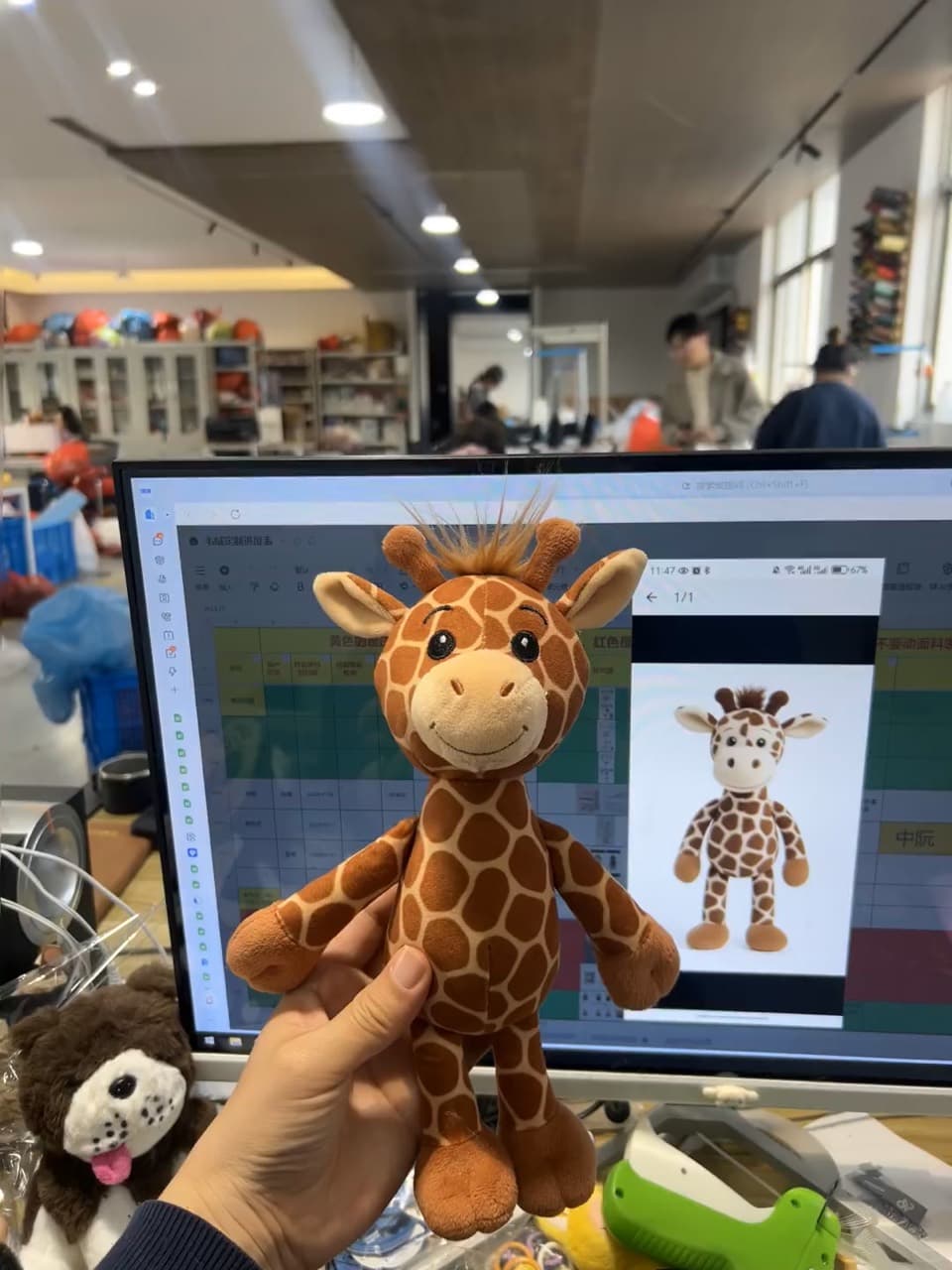
A custom plush toy looks simple in your hand, but getting there is a precise, multi-stage craft. From the moment your artwork lands in our inbox to the day a sealed carton leaves our Dongguan factory, every character passes through pattern engineering, cutting, sewing, stuffing and multi-point quality control. Here is exactly how it happens — with the real specifications, sample stages and checklists most factories never share.
What to send before production
The single biggest factor in a smooth project is the brief. The clearer your tech pack, the faster and more accurate your first sample. Before we quote and pattern your design, it helps to have:
- Reference art — a front and (ideally) side/back view. Vector files for logos; 300 DPI for raster art.
- Target size — the finished height in cm, plus any key proportions that matter to the character.
- Colors — Pantone TPX/TCX textile codes where possible, not just screen RGB, so dyed fabric matches your brand.
- Features — embroidered vs printed face, accessories, clothing, hang tag and any sound or light module.
- Market & age grade — this decides which safety rules and construction we lock in from day one.
Pattern-making & the first sample
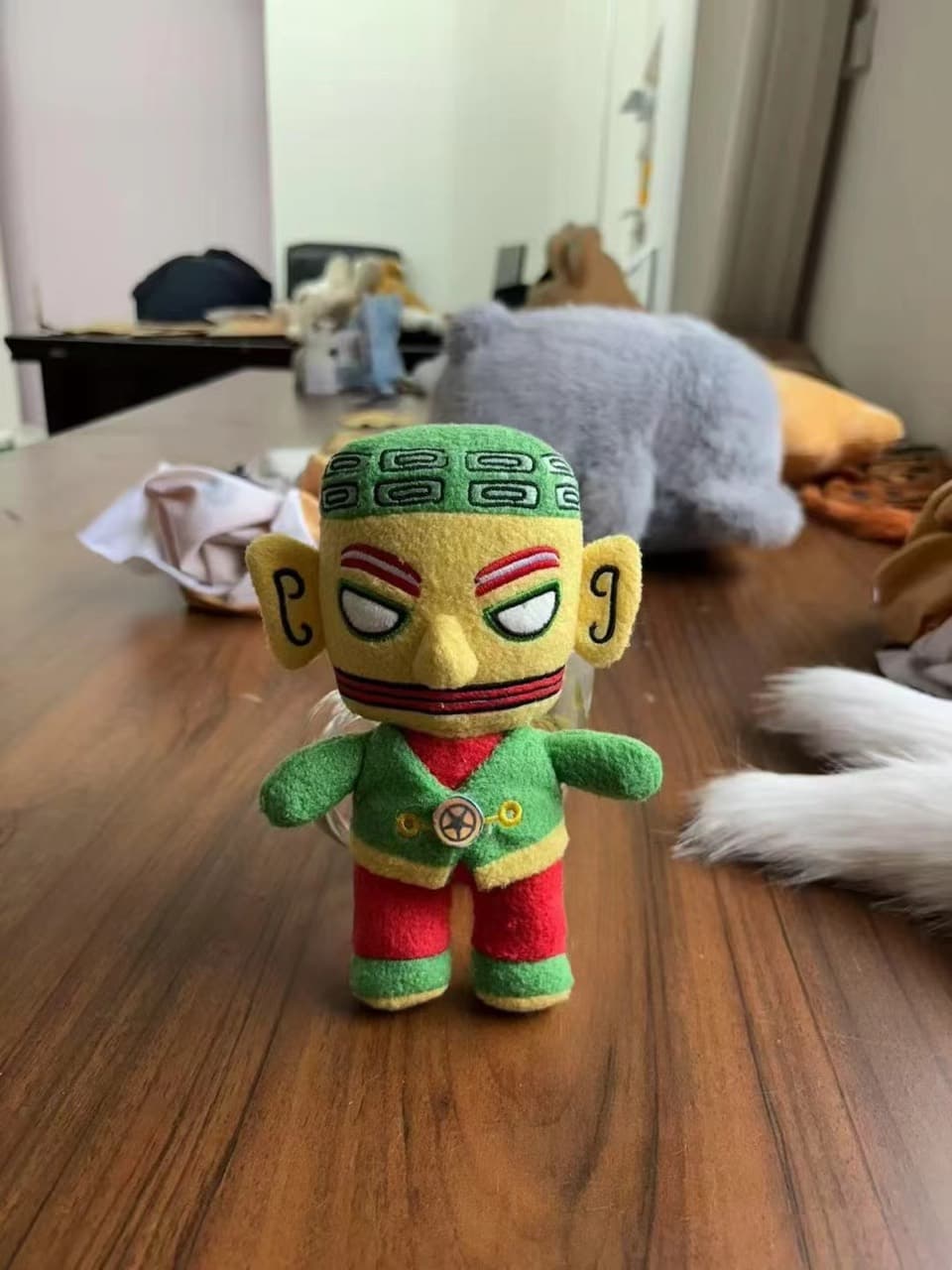
A flat picture has to become a three-dimensional, sewable shape. Our pattern makers translate your art into a set of fabric panels using CAD software, accounting for seam allowance, stuffing expansion and how each fabric stretches. This is the difference between a plush that looks “off” and one that captures your character perfectly — get the muzzle curve or the head-to-body ratio wrong by a few millimetres and the whole expression changes.
Fabrics & fills
Fabric choice drives both the look and the feel, and each material pairs with a different stitch density (SPI, stitches per inch) for clean, durable seams. We’ll send physical swatches so you can choose by hand, but here is how the common options compare:
| Fabric | Feel | Best for | Stitch density |
|---|---|---|---|
| Short / velboa plush | Smooth, sleek | Mascots, branded characters | 8–10 SPI |
| Minky (super-soft) | Silky, baby-soft | Baby & nursery plush | 8–10 SPI |
| Long pile / faux fur | Fluffy, premium | Designer & collectible plush | 6–8 SPI |
| Sherpa / boucle | Textured, cuddly | Novelty & trendy shapes | 8–10 SPI |
| Corduroy / cotton | Matte, structured | Cotton dolls, food plush | 8–10 SPI |
For the stuffing, standard PP cotton (0.9–1.2 denier) gives the classic huggable bounce; recycled rPET fill cuts the toy’s carbon footprint by roughly a third with the same softness. We target a fill that springs back to over 80% of its shape within seconds of being squeezed.
On the production line
Once your sample is approved, the design moves to a sewing line of 60–100 workers, each owning one station. A mid-size 20–30 cm plush flows through roughly eight key stages:
Sample stages explained
“Send me a sample” actually means several distinct stages, and knowing them keeps your launch on schedule:
- 3D mock-up — the first physical sample. You’re checking shape, size and overall character. Expect to tweak.
- Pre-production (PP) sample — colors matched to Pantone, embroidery dialled in, final fabrics. This is the “is it right?” sample.
- Golden sample — the signed-off reference that bulk production is measured against. Both sides keep one.
Two to three revision rounds is completely normal and a sign the factory cares — rushing straight to bulk is how you end up with 3,000 pieces you don’t love.
Safety, built in
For children’s plush, safety isn’t a final test — it’s a construction decision made at the pattern stage. The clearest example is the eyes:
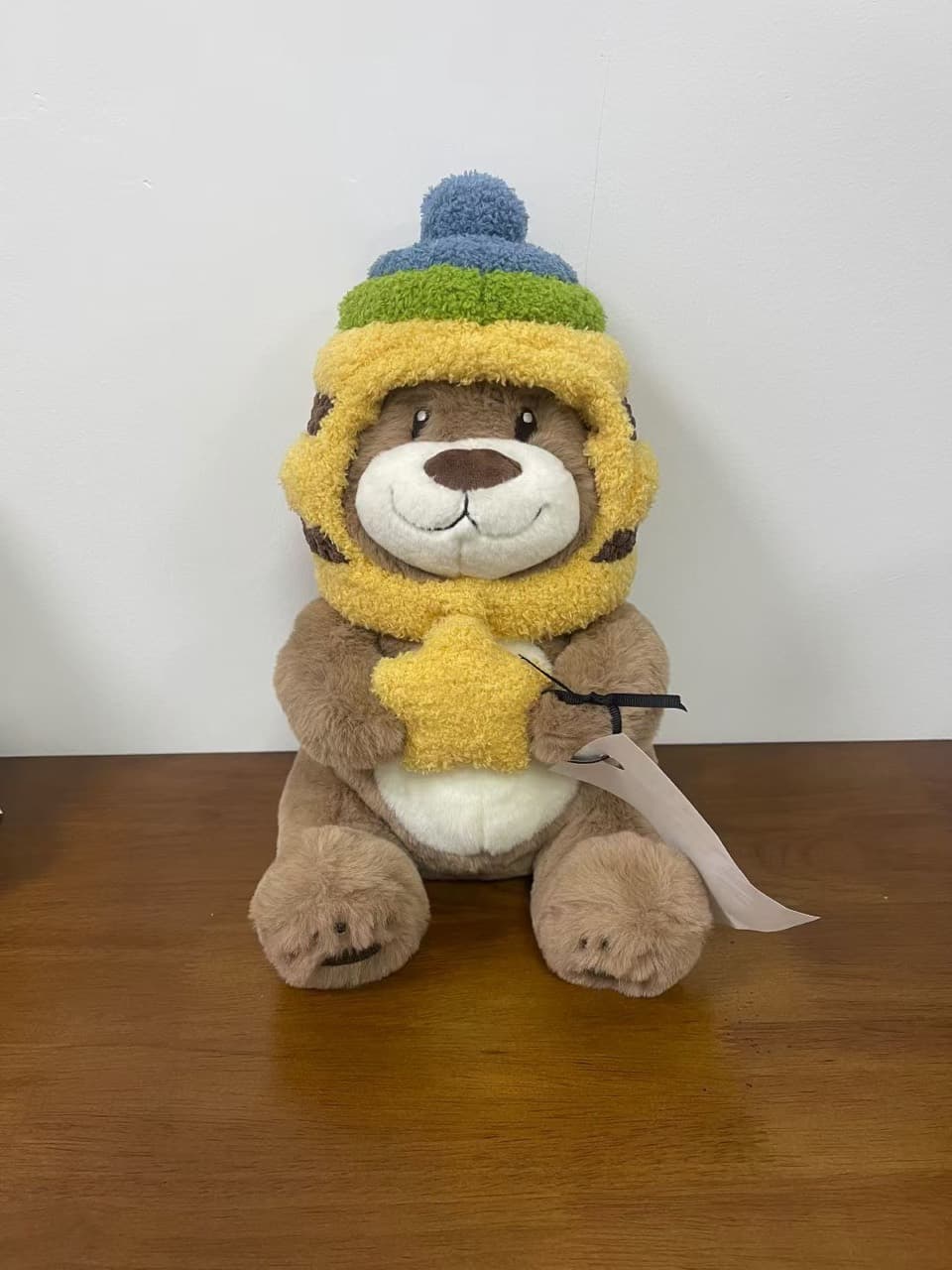
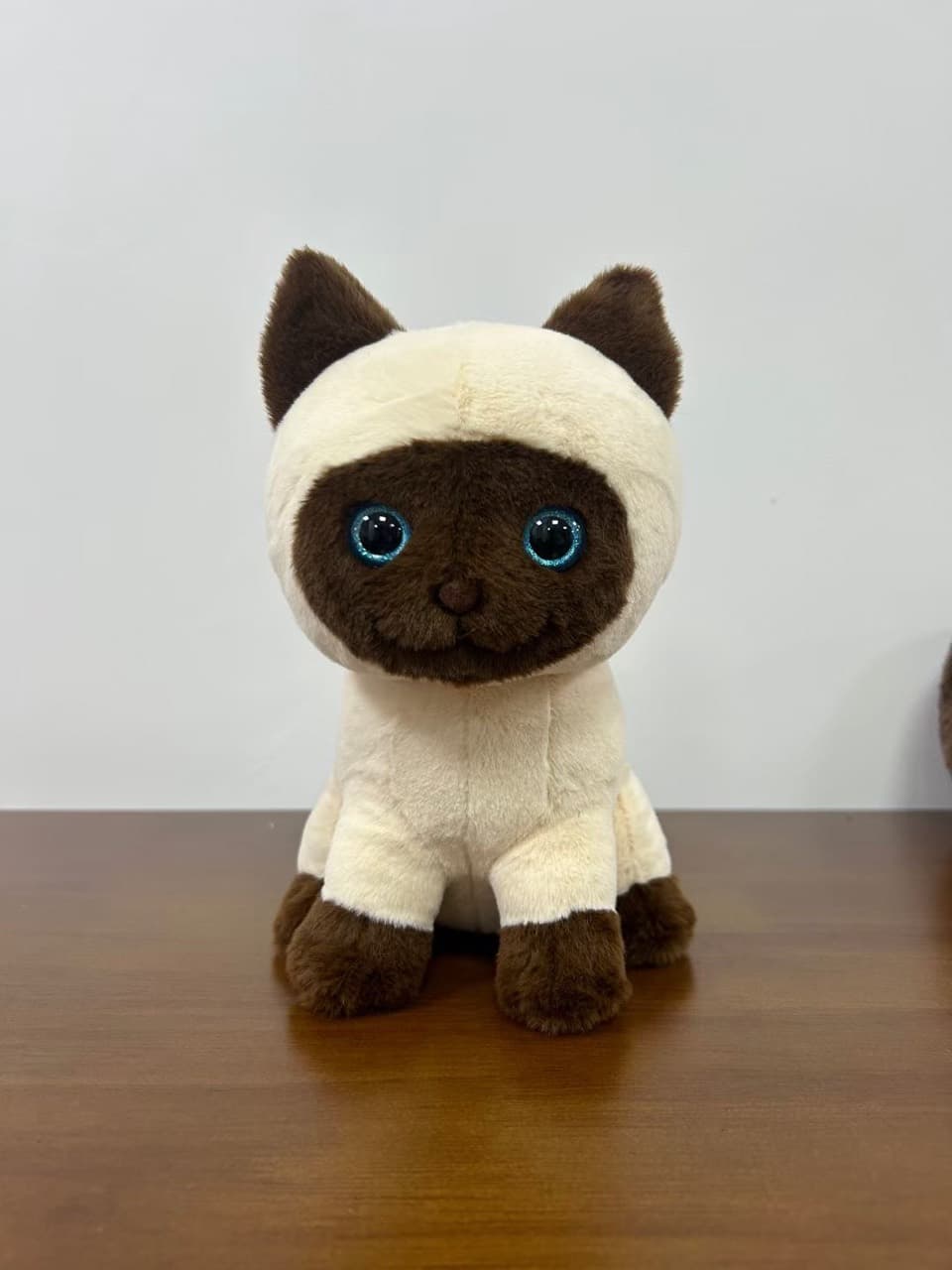
Plush aimed at under-threes uses embroidered eyes and noses with no hard parts, reinforced seams, and components that survive a pull test. We build to ASTM F963 (US) and EN71 / the EU Toy Safety Directive, and every unit passes a metal detector before packing. Which standard you actually need depends on your market — see our guide to plush toy safety standards.
How long it takes
From approved proof, a custom sample is typically ready in about 15 days, and bulk production runs around 25 daysafter you sign off the golden sample. Complex shapes, electronics or large quantities add time, but you’ll have a clear schedule up front — and photos at every stage so there are no surprises.
Ready to start? Browse the plush toys we make or see how our custom plush manufacturing service works.
Frequently asked questions
Can you really make a plush from just a drawing?+
Yes. A single clear illustration or even a child's drawing is enough to start. We turn it into a 3D-accurate sewing pattern and send a digital proof before any sample is cut, so you approve the look first.
How many sample rounds are normal?+
Two to three. A first 3D mock-up confirms shape and size, a pre-production sample dials in color, embroidery and feel, and a signed-off golden sample becomes the quality benchmark for bulk.
What's the difference between embroidered and plastic safety eyes?+
Plastic safety eyes are secured with a locking washer and give a glossy, doll-like look, but they are not allowed for toys aimed at children under three. Embroidered eyes are stitched into the fabric with no detachable parts, so they're the safe choice for baby plush.
Do you handle the safety testing too?+
We build to EN71, ASTM F963 and CE and can arrange third-party lab testing, but the importer of record legally owns the certificate. We cover who is responsible in our safety-standards guide.