How to Choose a Custom Plush Toy Manufacturer in China: A Buyer's Guide
Jesse Long
Head of Production, DreamPlush
July 10, 2026 · 10 min read
Quick answer—Choose a real factory over a trading company: ask for a live video tour, the business license, samples of similar plush, and real EN71 / ASTM test reports tied to a product. Never go straight to bulk — order one paid sample, run a small pilot (100–500), then scale.
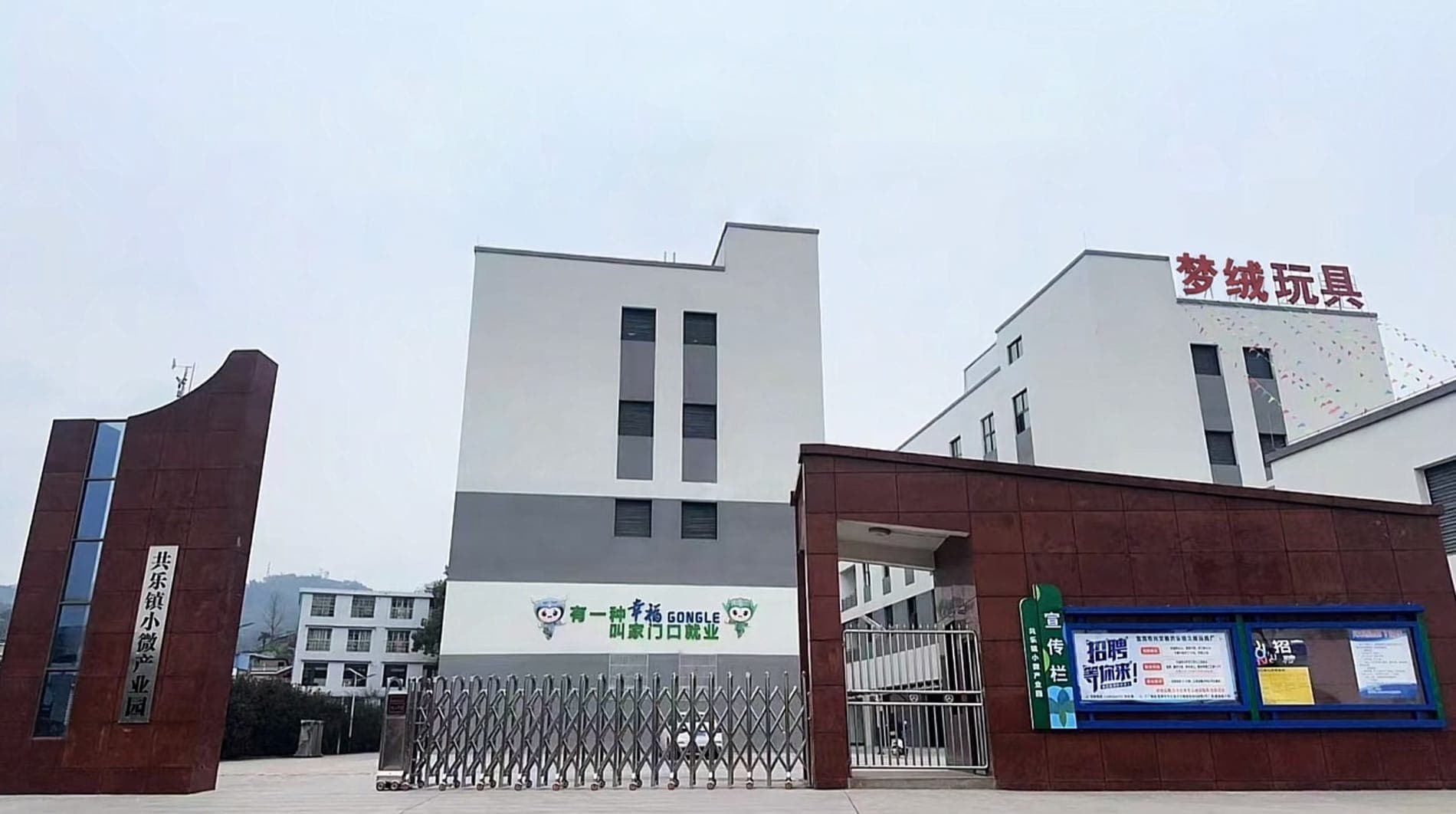
Most custom-plush projects live or die on one early decision: who makes them. China produces the vast majority of the world’s plush toys, and there are excellent factories — but also plenty of trading companies, brokers and “factories” that are really just an office. This is a practical buyer’s guide to telling them apart, verifying a supplier without a plane ticket, and de-risking your first order.
Factory vs trading company — the distinction that matters most
The single most useful thing to figure out is whether you’re talking to a real factory or a trading company. Both can be legitimate, but a factory gives you better pricing, direct control and faster problem-solving, because nothing is relayed through a middleman. Here’s how they differ in practice:
| Aspect | Real factory | Trading company |
|---|---|---|
| Pricing | Factory-direct, no added margin | Adds a markup on top of the factory |
| Communication | Direct with the people making it | Relayed through a middleman |
| Sampling | Made on their own line | Outsourced to an unknown factory |
| Quality control | Owns QC and the timeline | Depends on a subcontractor |
| Factory tour | Happy to show the floor | Avoids video tours and visits |
Building a shortlist
Start wide, then narrow hard. Gather names from referrals, category trade shows and search, and use B2B marketplaces for discovery only — a marketplace badge is not proof of manufacturing capability. Then filter your list of ~20 down to five serious candidates:
- Category match — they make plush specifically, not just “toys.” Plush is a specialized craft.
- Scale match — they accept your order size, from a small pilot to bulk, without forcing a huge MOQ.
- Cluster — most quality plush comes from established manufacturing regions like Dongguan, Guangdong.
- Relevant work — they can show similar characters, mascots or dolls they’ve actually produced.
The verification checklist
Before you send artwork or pay for a sample, run each remaining candidate through the same checks. This is the fastest way to eliminate the pretenders:
| Check | How | Why it matters |
|---|---|---|
| Legal entity | Business license + export certificate (Chinese name) | Confirms a real, exporting company |
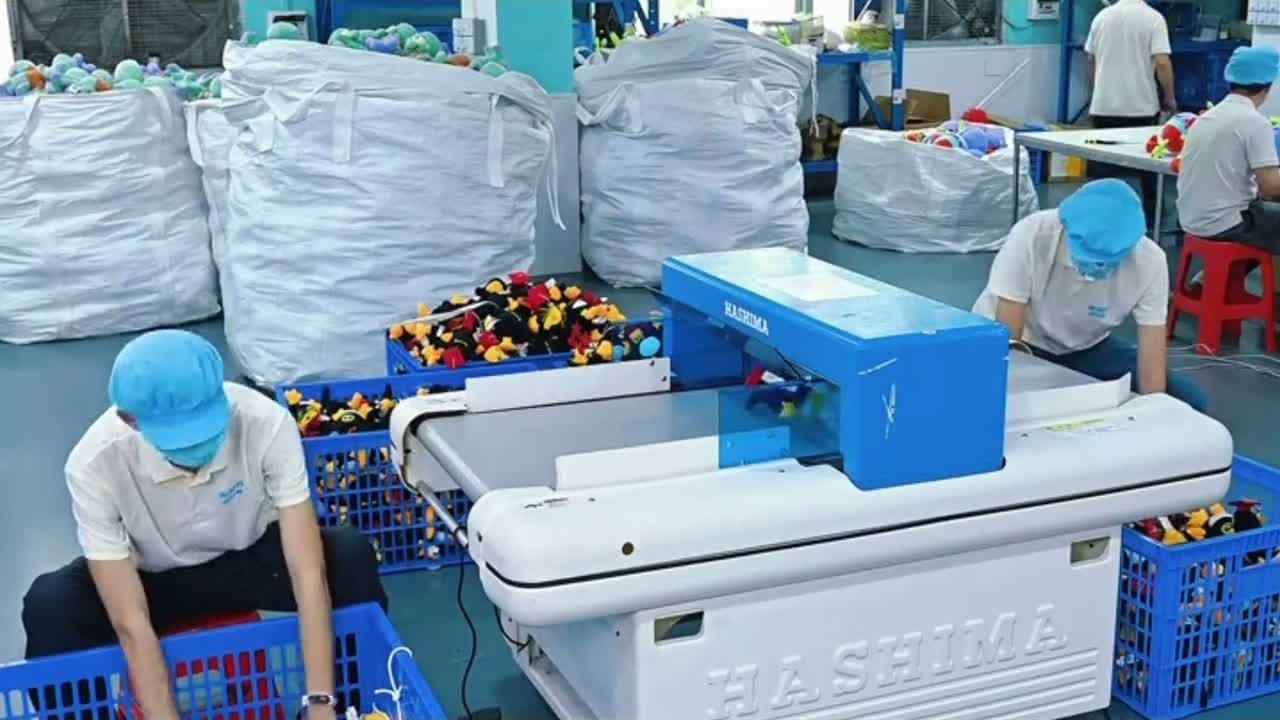
| Factory, not office | Live video tour, satellite map, or a visit | Many “factories” are trading offices |
| Plush experience | Samples of similar plush they've made | Plush is specialized — not every toy factory does it well |
| Safety testing | Real EN71 / ASTM / CE reports for a specific product | Generic or reused reports are a red flag |
| Sample quality | One paid sample before any bulk | The sample becomes your quality benchmark |
| Communication | Response speed, language, who you talk to | You'll live with this for the whole order |
For safety specifically, ask for test reports tied to a real product and issued to the company’s legal name — and for larger orders, a third-party inspector such as SGS can run a pre-shipment check. What the reports need to cover is set by your market — the US CPSC (ASTM F963 / CPSIA) or Europe (EN71 / CE). Our full explainer is in the plush toy safety standards guide.
Red flags to walk away from
Some answers should end the conversation. If you hear any of these, move on:
| Red flag | What it really means |
|---|---|
| “Universal CE” with no age grade | They don't understand real toy compliance |
| One test report reused across products | The certificate is likely borrowed or fake |
| Won't do a live factory tour | Probably a trading office, not a factory |
| MOQ jumps to 3,000+ with vague pricing | Not set up for custom or pilot runs |
| Price far below everyone else | Corners cut on materials or safety |
Sample, then pilot — never straight to bulk
Even after a supplier checks out on paper, prove it with product before you commit real volume. The safe sequence looks like this:
- 1ShortlistFive real candidates from referrals, shows and search.
- 2BriefSend your design, size, target market and MOQ.
- 3VerifyLicense, export cert, factory tour, relevant past work.
- 4SampleOne paid sample — judge quality and communication.
- 5PilotA small first run (100–500), not straight to bulk.
- 6ScaleAward bulk to the factory that actually delivered.
A pilot run also tells you what the price really is at your volume — see custom plush MOQ, pricing & costs for how quantity moves the number.
Frequently asked questions
How do I know if a supplier is a real plush factory or a trading company?+
Ask for a live video walk-through of the production floor, their business license with the Chinese legal name, and samples of similar plush they have actually made. A real factory shows you the floor and talks production directly; a trading company relays messages, avoids factory tours and outsources your order to a subcontractor you never see.
What's a reasonable MOQ for custom plush from a China factory?+
For a genuinely custom design, many large factories quote 1,000–3,000 pieces, but that isn't a hard rule. Factories set up for smaller brands — like us — start custom runs at 100–500 pieces per design, which lets you test a design or an event without over-committing before you scale.
How do I verify a plush factory's quality and safety before ordering?+
Order one paid sample and treat it as your quality benchmark. Ask for real EN71 / ASTM F963 / CE test reports tied to a specific product (not a generic, reused certificate), and if the order is large, use a third-party inspection body for a pre-shipment check.
Should I visit the factory in person?+
It helps for large or ongoing programs, but it isn't essential for a first order. A thorough video tour, a paid sample, verified documents and a small pilot run give you most of the confidence a visit would — at a fraction of the cost and time.